How OBSESSION Was Built
Written by
Kostia Lucky
Published on
Reading Time
4 mins

Most people think a show like OBSESSION happens because a few good musicians show up and play well. That's not it.
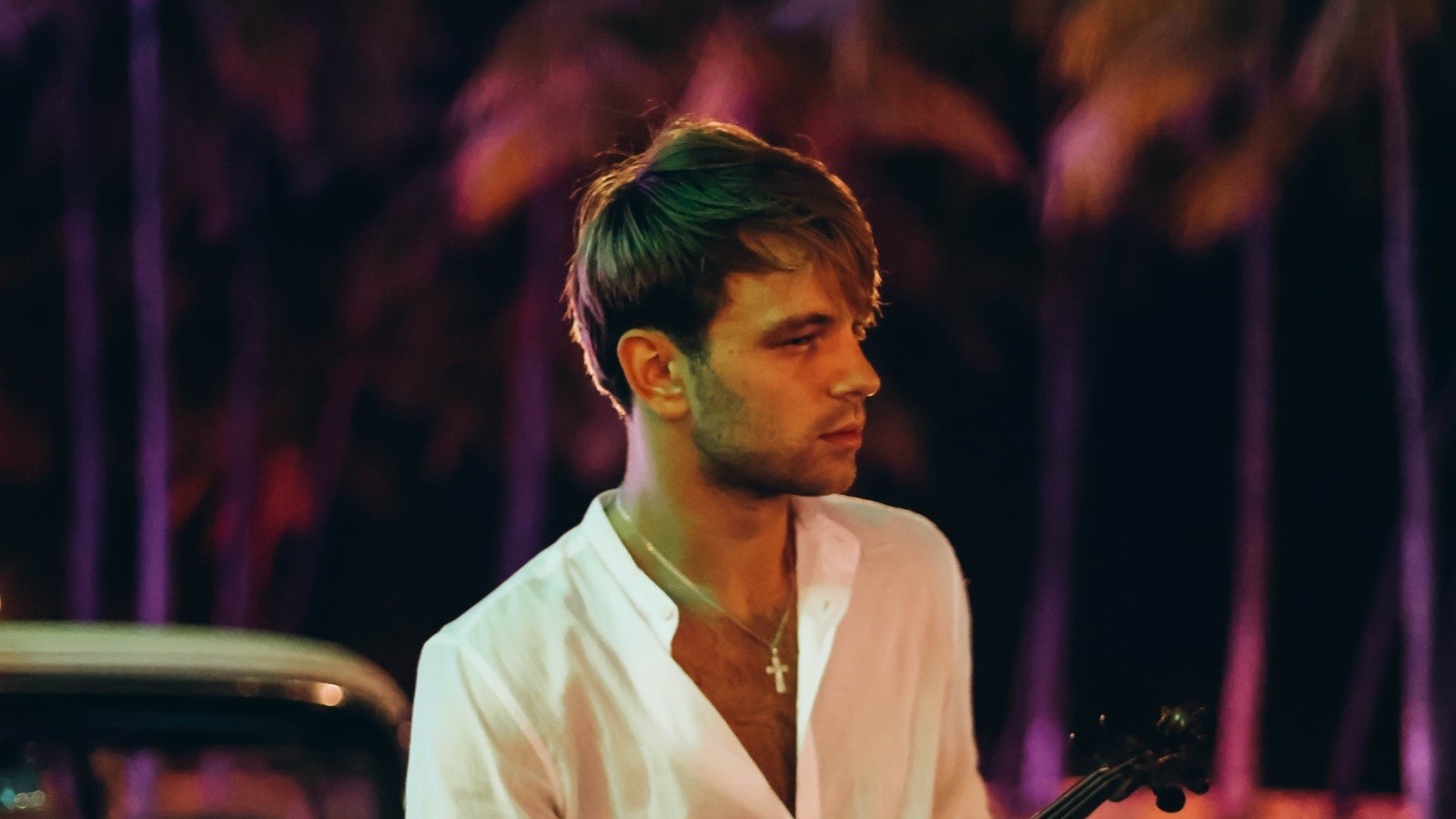
OBSESSION runs at Faena Theater in Miami Beach, built by Faena Live in collaboration with Quixotic, a performance art collective. Thursday through Saturday, ninety minutes, one intermission, no filler.
Nobody in that room is thinking about intonation. They're not there for a recital. They're there because someone built a system where light, movement, and sound compress into a single feeling, and it doesn't let go for ninety minutes.
The Room Is the Instrument
On a normal stage, the violin is the instrument. Inside OBSESSION, the room is the instrument, and the violin is one voice inside it.
Light shifts before the sound does. Choreography sets a physical tension the music has to answer. A vocalist commands the space and hands it back. None of that sequence is improvised in the sense of "figure it out later." It's engineered, rehearsed, tuned like a machine.
But what happens the moment it goes live, in front of a room full of eyes reacting in real time, is never fully engineered. That part is a conversation.
Sheet Music Would Kill This
If everyone on that stage played exactly what was written — note for note, cue for cue, zero feel for the specific night, specific crowd, specific charge in the room — the show would be technically perfect and completely dead.
The arrangement gives you the skeleton. The room decides how hard you push a phrase, how long you hold a note before the drop, whether tonight's crowd wants elegance or violence in a particular sixteen bars. That decision happens live, onstage, with a full house voting with its attention.

Built Like a Concert, Not a Recital
OBSESSION isn't paced like a classical program with a polite beginning, middle, and end. It's paced like a rockstar set — a cold open, a slow burn, a peak engineered to land at the exact moment the audience's attention is about to dip, and an ending that doesn't ask permission to be loud.
That structure is deliberate. Luxury audiences have sat through a thousand hours of "nice" background music in their lives. Nice doesn't register anymore. A room only remembers the moment it was surprised.
Ninety minutes is short enough that nothing gets to coast. Every section has to earn the next one. If a moment isn't building tension or releasing it, it gets cut in rehearsal, no matter how good it sounds on its own.
Collaboration Is the Real Engineering
The hardest part of building a show like this has nothing to do with playing well. It's forcing disciplines that don't naturally speak to each other — violin, vocals, choreography, lighting — into one system that breathes together instead of taking turns.
Every one of those departments could headline its own show. Inside OBSESSION, none of them are allowed to. The violin doesn't get to show off just because it can. It gets a job: build tension here, release it there, disappear when the light needs the silence.
What This Teaches About Every Event
The lesson from OBSESSION scales down to a wedding, a gala, a rooftop with two hundred people and a DJ. Whatever the room, the same rule holds: nobody remembers "the music was nice." People remember the fifteen seconds where the whole room felt one thing at the same time.
That's not luck, and it's not one violinist showing off. It's the same engineering — light, pacing, timing, restraint, then release — scaled to the size of the room.
Every show I build, from Faena Theater to a private estate down the coast, gets built the same way: not as a performance, but as a room engineered to feel one thing, together, at the same time.
© 2026 Kostia Lucky. All rights reserved.